The short version: this matters more than the headline suggests.

A Fresh Perspective on a Changing Genre
I came to gacha gaming later than most, which gives me the advantage of seeing things as they are now without the nostalgia that longtime players sometimes have. When I first heard about turn-based combat making a comeback in mobile gaming, I was skeptical. The industry seemed obsessed with fast-paced action, real-time battles, and instant gratification mechanics. Then Honkai Star Rail launched, and everything changed.
Let’s work through this together, step by step. The numbers tell part of the story — but only part.
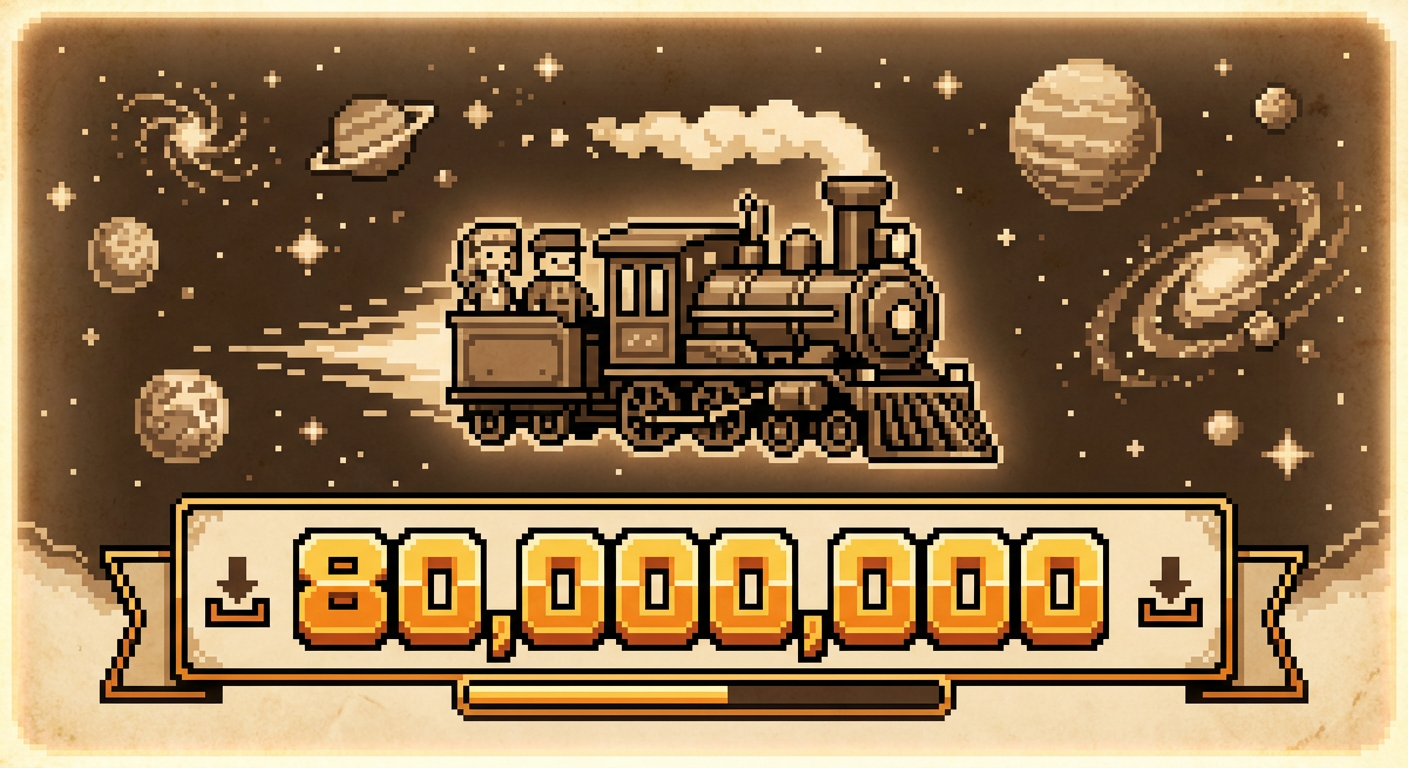
The numbers tell a compelling story. Within its first year, the game surpassed 80 million downloads worldwide, proving that players were hungry for something different. More importantly, it showed that strategic, methodical gameplay could capture mainstream attention in ways that surprised even industry veterans. This wasn’t just another gacha game finding modest success – it was a complete shift.
The Strategic Revolution in Mobile Gaming
Turn-based combat systems were once considered relics of a bygone era, too slow for modern mobile audiences supposedly addicted to instant action. Honkai Star Rail shattered this assumption by creating encounters that feel deliberate rather than sluggish. Each battle becomes a puzzle to solve, where team composition, element matching, and timing create layers of strategic depth that action games often struggle to achieve.
The game’s approach proves that compelling gameplay doesn’t require finger-twitching reflexes or split-second decision making. Instead, it rewards careful planning, understanding character synergy, and tactical thinking. Players spend time between turns considering their options, analyzing enemy patterns, and optimizing their approach. This methodical pacing actually makes the game more engaging, not less.
What makes this particularly impressive is how the system appeals to both casual players who appreciate the forgiving pace and hardcore strategists who dive deep into complex team building. The Honkai Star Rail official site highlights this balance beautifully, showing how accessible mechanics can support surprisingly sophisticated gameplay depth.
Recognition and Industry Impact
The gaming industry took notice when Honkai Star Rail claimed both the Google Play Best Game award and the People’s Choice Award in 2024. These awards represent more than just recognition – they signal a fundamental shift in what mobile gaming audiences value. The People’s Choice Award particularly stands out, as it reflects genuine player enthusiasm rather than just critical assessment.
This recognition sparked broader conversations about game design philosophy in the mobile space. Developers began reconsidering whether the rush toward ever-faster, ever-more-frantic gameplay was actually serving player interests. Some studios started exploring their own takes on strategic, turn-based mechanics, though few have matched the polish and accessibility that made Honkai Star Rail’s approach so successful.
Visual Excellence and Character Design Innovation
Beyond gameplay mechanics, Honkai Star Rail established new benchmarks for character design quality in gacha games. Each character feels meticulously crafted, with distinctive silhouettes, compelling backstories, and visual details that reward close examination. The art direction strikes a remarkable balance between anime-inspired aesthetics and realistic proportions, creating designs that feel both fantastical and grounded.
This attention to visual detail extends beyond individual characters to environmental design, UI elements, and animation quality. The game’s presentation standards have forced competitors to raise their own artistic efforts, setting the bar higher for the entire genre. Players now expect this level of visual sophistication, making it increasingly difficult for lower-budget productions to compete effectively.
The character design philosophy also shows how gacha games can create emotional connections without relying solely on gameplay mechanics. Players develop attachments to characters based on their visual appeal, personality traits, and narrative roles, creating investment that extends far beyond statistical optimization.
Content Expansion and Long-Term Engagement
Version 4.0’s Planarcadia update shows how successful gacha games maintain momentum through meaningful content expansion. Rather than simply adding new characters or events, this update introduced an entirely new planet with fresh storylines, environments, and gameplay possibilities. This approach keeps the experience feeling genuinely new rather than just incrementally updated.
The Simulated Universe roguelike mode represents another innovative approach to sustained engagement. By offering procedurally generated challenges with different rewards and mechanics, it provides replayable content that doesn’t rely on the main story progression. This addresses one of gacha gaming’s persistent challenges: maintaining player interest between major story updates.
These content strategies show sophisticated understanding of player psychology and retention. The HSR community subreddit frequently discusses how these varied content types appeal to different player preferences, from story-focused gamers to optimization enthusiasts to casual explorers.
Crossover Success and Mainstream Appeal
Perhaps most surprisingly, Honkai Star Rail’s collaboration with Fortnite revealed crossover appeal that extends far beyond traditional gacha gaming audiences. This partnership wasn’t just a marketing stunt – it showed how well-designed characters and aesthetics can transcend genre boundaries and attract players who might never have considered trying a turn-based mobile game.
The collaboration’s success suggests that gacha games no longer need to remain confined to niche audiences. When executed with sufficient quality and strategic thinking, these games can compete for mainstream attention alongside established gaming franchises. This represents a significant change for a genre that was once dismissed as primarily appealing to collectors and mobile gaming enthusiasts.
Looking forward, Honkai Star Rail’s impact on the gacha gaming landscape seems likely to persist and grow. It proved that thoughtful game design, regardless of underlying mechanics, can find massive audiences when executed with genuine care and innovation. The turn-based renaissance it sparked continues influencing new releases, suggesting that strategic gameplay has secured its place in mobile gaming’s future.
For more on mobile gaming, gacha culture, and where the industry is heading, metatrend.app covers this space with the depth it deserves.
Nothing here replaces going yourself — but it might sharpen what you look for when you do. Add your own tips in the comments — this guide is always evolving.