The Numbers Don’t Lie
Something fundamental shifted in how we explore the world. Between 2019 and 2025, solo travel bookings surged by 42 percent according to industry data. This isn’t a temporary blip or pandemic-driven anomaly. It’s a cultural earthquake.
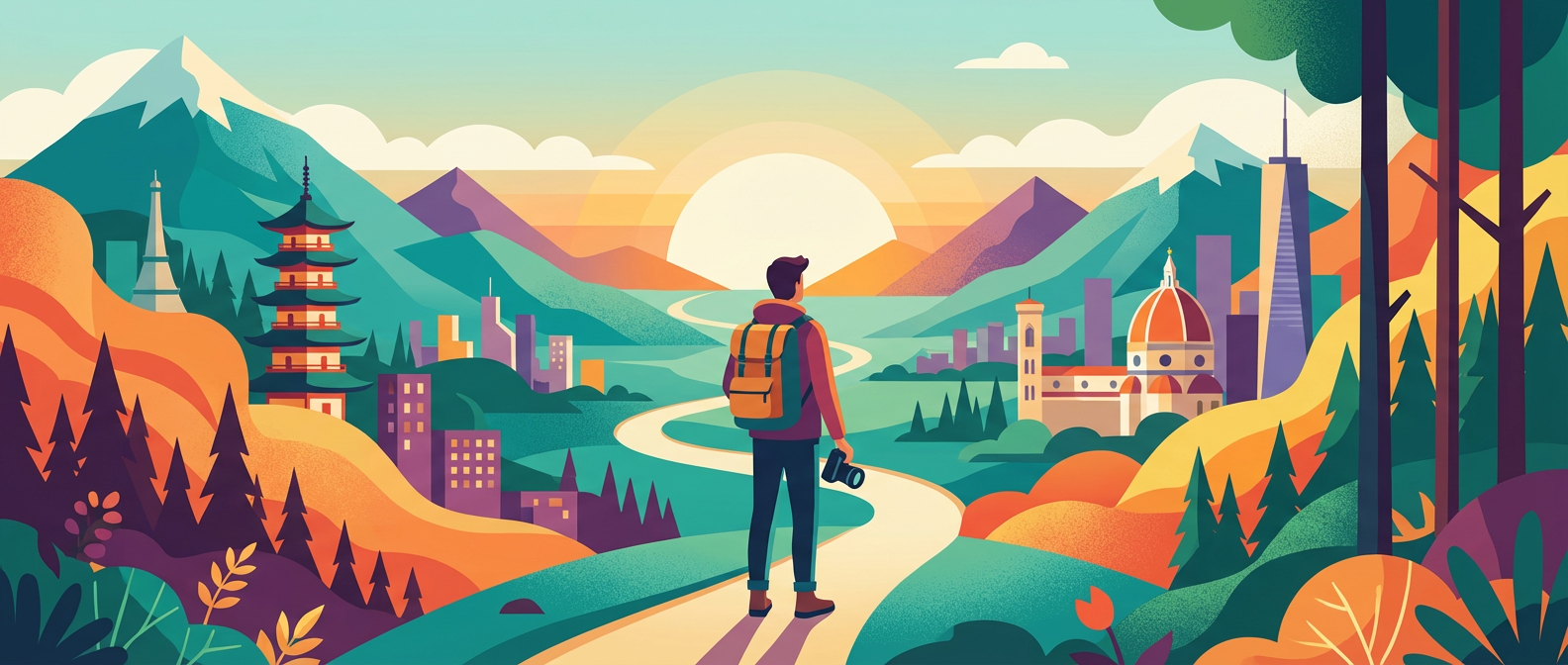
The old model of travel demanded companions, shared itineraries, and endless compromise. Today’s travelers have completely rejected that framework. They’re choosing solitude over consensus, spontaneity over structure. This surge means more than changing booking trends. It signals a generation that values personal growth over social comfort zones.
Digital nomads camping out in Lisbon apartments for months. Gap year graduates stretching Southeast Asian adventures indefinitely. Mid-career professionals taking sabbaticals in tiny Italian hill towns. Today’s solo traveler isn’t just passing through anymore. They’re staying, learning, weaving themselves into the daily life of places most tourists never really see.
Women Leading the Charge
Female travelers are driving most of this change. Women-only travel experiences and communities are exploding across platforms and destinations. The Girls Love Travel community connects millions of women sharing routes, safety tips, and accommodation recommendations.
These aren’t casual weekend getaways. Women are choosing extended stays in places like Morocco, Colombia, and Nepal. They’re learning languages, starting businesses, and building networks that span continents. The old safety concerns that once limited female solo travel haven’t vanished, but they’ve been overwhelmed by determination and smart preparation.
Social media plays a complex role here. While Instagram might suggest solo travel is about perfect selfies and sunset shots, the reality runs much deeper. Women document struggles alongside triumphs. They share practical advice about navigating male-dominated cultures, finding safe accommodation, and building confidence in completely unfamiliar environments.
Anxiety as Content Currency
TikTok and YouTube are overflowing with solo travel anxiety content. Creators document first-time jitters, cultural mishaps, and moments of genuine fear. This vulnerability generates massive engagement because it feels authentic in ways polished travel photography never could.
The most popular content doesn’t showcase exotic destinations or luxury experiences. Instead, it captures universal moments of doubt. A traveler eating alone at a Bangkok street stall. Someone navigating Buenos Aires subway systems without speaking a word of Spanish. A solo hiker questioning their route choice in the Scottish highlands.
This honesty serves a purpose beyond entertainment. It normalizes the emotional rollercoaster of independent travel. Viewers see that feeling overwhelmed in foreign places is universal, not personal failure. The content creates community around shared vulnerability rather than aspirational achievement.
Long-term solo travelers get this completely. Anxiety doesn’t disappear after the first week or month abroad. It evolves, becoming less about immediate safety and more about deeper questions of identity, purpose, and belonging. These creators document that evolution in real time.
Infrastructure Adapts to Independence
The hospitality industry scrambled to catch up with this shift. Hostels once designed for broke backpackers now offer private rooms with premium amenities. They’ve added coworking spaces, organized social programming, and partnerships with local experience providers.
Group trip companies like Flashpack specifically target solo travelers in their thirties and forties. These services curate small group experiences for people who want independence without complete isolation. Participants join pre-planned itineraries but maintain flexibility within organized frameworks.
Restaurant culture transformed alongside accommodation. Counter seating became standard in cities worldwide. Chef’s table formats exploded in popularity, giving solo diners prime viewing of kitchen action. The stigma of eating alone dissolved as establishments recognized solo diners often become their most loyal customers.
Traditional tour operators adapted or died. The successful ones stopped selling destinations and started selling experiences. They focus on access rather than hand-holding. Cooking classes in Vietnamese homes. Photography workshops in Icelandic landscapes. Language exchanges in Berlin cafes. The Lonely Planet solo travel guide reflects this shift, emphasizing cultural immersion over sightseeing checklists.
The Long Stay Advantage
Extended solo travel reveals truths that short trips never could. The first month in any new place feels like cultural tourism. The second month, patterns emerge. By month three, you’re arguing with local shopkeepers about football teams and developing strong preferences between neighborhood bakeries.
This depth changes travelers fundamentally. They stop seeing destinations as backdrops for personal adventures and start understanding them as complex ecosystems of human experience. A solo traveler spending six months in Mexico City doesn’t just visit Frida Kahlo’s house. They develop opinions about neighborhood gentrification, discover family-run restaurants that don’t appear in any guidebooks, and form friendships that survive their eventual departure.
The economic impact goes beyond tourist dollars. Long-term solo travelers often contribute skills to local communities. They teach English, help with digital marketing for small businesses, or volunteer with environmental projects. Their extended presence creates reciprocal relationships rather than extractive ones.
Technology makes this immersion possible in unprecedented ways. Translation apps break down language barriers. International banking eliminates currency constraints. Coworking visas allow remote workers to establish temporary residency. The infrastructure supporting extended international stays has never been more accessible or affordable.
The solo travel revolution means more than personal liberation or Instagram content. It signals a generation rejecting prescribed paths toward adventure, growth, and understanding. These travelers aren’t just seeing the world differently. They’re changing it, one extended stay at a time. The question isn’t whether this trend continues, but how destinations and communities will adapt to welcome these modern nomads seeking genuine connection over tourist consumption.